The CSS Archaeologists Digging Through Tumblr's Ruins
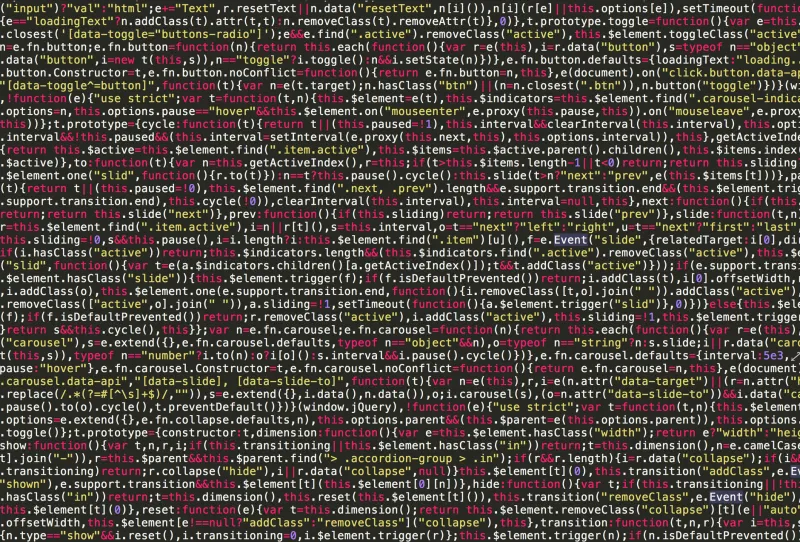
Somewhere in a GitHub repository you'll never accidentally stumble across, there's a folder containing the complete CSS of a Tumblr blog that hasn't been updated since 2014. The blog was probably about a band, or a TV show, or nothing in particular — just a texture, a color palette, a very specific font pairing that its creator spent weeks getting right. The blog is gone now, or dormant enough to count as gone. But someone saved the code.
This is what aesthetic archaeology looks like in practice: quiet, obsessive, slightly inexplicable to anyone outside the community. A loose network of web designers, nostalgic users, and digital archivists who've made it their project to pull custom Tumblr themes out of the internet's wreckage and preserve them somewhere stable before the platform's ongoing decay takes them down for good.
Why Tumblr Themes Were a Different Kind of Art
To understand what these collectors are chasing, you have to remember what Tumblr actually was at its peak — not just as a social platform, but as a design environment. Unlike Twitter or Instagram, which gave users almost no control over the visual presentation of their content, Tumblr let you get into the code. You could edit your theme's HTML directly. You could inject custom CSS. You could find themes built by other users, install them, modify them, break them, and fix them again.
The result was a platform that looked like a thousand different websites simultaneously. Some blogs had stark minimalism — white space, a single serif font, nothing else. Others were dense and chaotic, tiled backgrounds and neon text and hover effects that triggered animated GIFs. There were themes built around specific aesthetics: cottagecore before that word existed, late-night lo-fi, aggressive maximalism, the particular visual grammar of early Tumblr fandom culture with its sidebar character images and custom cursor trails.
This wasn't just decoration. For a lot of users — especially teenagers who had no formal design training and no budget for software — building and customizing a Tumblr theme was their first real encounter with code. It was practical and expressive at the same time. You learned CSS because you wanted your blog to look a specific way, and then you kept learning because you got interested in what else you could do.
What Disappears When a Blog Goes Dark
When a Tumblr blog is deleted or deactivated, the theme doesn't get archived anywhere official. The Wayback Machine catches some of them — it crawled Tumblr extensively during the platform's high-traffic years — but the captures are inconsistent, and they preserve the visual output rather than the underlying code. You can see what a blog looked like; you can't necessarily extract the CSS that made it look that way.
This is the gap that collectors are trying to fill. They're working from a mix of sources: old Wayback captures, theme repositories that were shared on Tumblr itself (many of which are also now defunct), personal archives built by designers who posted their work publicly, and occasionally direct contact with former Tumblr users who still have the files somewhere on an old hard drive.
The motivation varies by person. Some are designers who see these themes as genuinely interesting historical artifacts — documentation of how a generation of self-taught developers approached visual problems with limited tools. Others are more straightforwardly nostalgic, trying to recover the specific aesthetic of a blog they loved that no longer exists. A few are building what amount to reference libraries, using old themes to study techniques that predate the frameworks and templates that now dominate web design.
The Library Nobody Asked For
What these collections look like in practice is usually unglamorous. A folder structure. Commented code with notes about where a theme came from and when it was saved. Sometimes a screenshot for reference. Occasionally a README that explains the project to anyone who stumbles across it, which isn't many people.
There's no central repository, no official preservation effort, no institutional backing. The Internet Archive does important work, but it wasn't built for this specific use case, and it doesn't prioritize Tumblr themes as a category worth dedicated resources. The people doing this work are doing it on their own time, with their own storage, for reasons that are hard to fully explain to someone who doesn't already feel the pull.
One aspect of it is the sheer specificity of what's being preserved. These themes weren't made by design studios. They weren't built to last or to be reused. They were made by individual people who had a very particular vision and the patience to execute it in CSS at a time when that required real effort. That specificity is part of what makes them interesting as artifacts — they're not generic, they're not scalable, they're not optimized for anything except one person's aesthetic instinct at one moment in time.
The Broader Question of What Gets Saved
Tumblr themes sit in an awkward spot in the cultural record. They're not significant enough to attract institutional preservation efforts. They're too ephemeral and too numerous to document systematically. But they represent something real about how people engaged with the web during a specific window — how they expressed identity through design, how they taught themselves technical skills through creative projects, how a platform's unusual openness produced an unusually diverse visual culture.
The collectors working on this know they're fighting a losing battle in the aggregate. Most of what existed is already gone, and more disappears every time Tumblr sunsets another feature or a blog owner finally pulls the plug on an account they haven't touched in years. What they're saving is a sample, not a complete record.
But samples are what archaeology mostly produces. You work with what you can find. You document it carefully. You hope it tells you something true about what came before.
The CSS archaeologists aren't saving the internet. They're just making sure that when someone asks, years from now, what a certain corner of it looked like — there's an answer somewhere in a folder on someone's hard drive, waiting to be found.