Please Wait While We Connect: In Praise of the Progress Bar
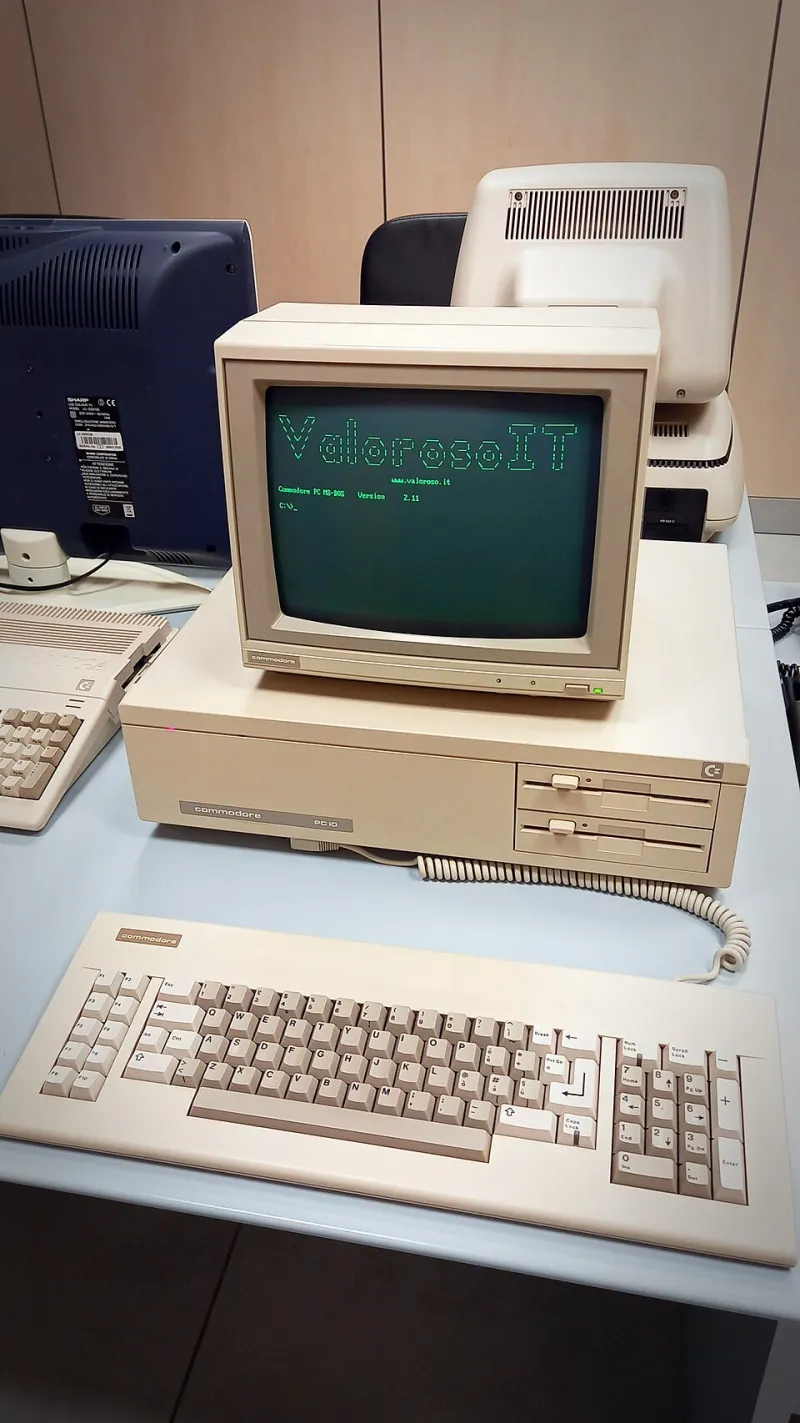
Photo: ValorosoIT, CC BY-SA 4.0, via Wikimedia Commons
There was a time when the internet made you wait, and the waiting had a face. It had a sound, too, if you count the modem handshake, which most people would rather not.
The face was usually an hourglass. On a good day it was an animation — falling stars, a spinning globe, a little comet dragging its tail across a rectangle of gray. You watched it because there was nothing else to watch. There was exactly one other thing you could do on the computer during those seconds, and it was watch the thing load.
The Hourglass Had a Personality
The files may be gone, but the shapes are burned in. The Windows hourglass that flipped around like it was losing an argument. Netscape's meteor shower, the one that made even a 404 feel like an event. The blue-gradient progress boxes on Windows 98 that advanced in chunky, dishonest increments. RealPlayer's buffering, which taught a generation the difference between a percentage and a promise.
And underneath all of it, the text, which was generally written in the tone of a very patient customer service rep: Connecting to host… Please wait. Transferring data from 207.44.… Document: Done.
A Small Field Guide to the Waiting Room
We asked readers to send in screenshots of their old load screens, and got a surprisingly emotional mailbag. A few favorites:
- Submitted by Dan R., Ohio: a scan of a 1999 monitor showing
Connecting to hostwith a full progress bar underneath. Dan's note: "It's been at 100% for two minutes. I took this photo because I was going to complain about it online, which took another twenty minutes to do." - Submitted by a reader in Sacramento: the Netscape throbber mid-animation, caught with the meteors halfway through their arc. She wrote: "I remember thinking this was the most sophisticated thing humanity had ever made. I was twelve."
- Submitted by Priya M., Texas: a screenshot of a game's "Loading…" screen with a rotating flavor-text line. "It said 'Warming up the hamsters.' I have never been that delighted by a delay since."
- Submitted by an anonymous reader: a photo of a laptop with a browser dialog reading
The document contains no data. No further context. We respect that.
The Bar Was Lying the Whole Time
Here's the uncomfortable part. Those progress bars were, in the technical sense, mostly theater. Early browsers had no way to know how much of a page remained, so they estimated, stalled, jumped, and occasionally went backward. Everyone knew it. Nobody minded, because the alternative was a blank window and the sound of your own thoughts.
The lie was actually useful. A bar that moves badly is better than no bar at all, which is a lesson modern interface designers have taken very much to heart.
Please Wait While We Fetch Nothing
Which brings us to the revival. Walk through enough indie sites and small web projects and you'll notice something odd: the wait is back, and it's voluntary.
There are landing pages with a deliberate half-second fade before the content appears. There are personal sites that run a fake "connecting" animation, complete with retro text, before letting you in. There are loading bars that fill in randomized increments just to feel like something is happening. There's an entire genre of startup splash screens that exist to produce a beat of anticipation before a page that loads instantly anyway.
It's not always nostalgia. In product design, adding a small delay on purpose is a known trick — the brain reads a brief pause as effort, and effort as value. A result that appears too fast can feel cheap. So the wait got re-installed, only now it's a stylistic choice rather than a limitation, and it comes with a skip button in case you're the kind of person who doesn't want to be delighted.
What the Wait Was Actually For
It's worth being honest about the past here. Nobody liked waiting. People paid real money — sometimes fifty dollars a month — specifically to wait less. The 56k modem was a luxury item before it was a memory. The hourglass was not charming while you were staring at it at 11 p.m. with a paper due.
But the wait did something the modern web rarely does: it put a gap between wanting a thing and getting it, and the gap had texture. You could hear the page arriving. The anticipation belonged to you, not to an algorithm that had already decided what you were going to feel next.
Why We Keep Rebuilding the Delay
The fake loading screen is a small act of resistance, and also a small act of delusion. Nobody's fooled. A spinning globe doesn't make your fiber connection slower, and everyone knows the content is already sitting on a server twenty milliseconds away.
But it's a mood, and moods are worth something. There's a reason the throbber keeps coming back: it says something is happening, and you should pay attention to it. In a feed that never stops arriving, a two-second pause might be the last bit of scarcity we have left.